
Ogrodzieniec Castle
Ogrodzieniec, Poland
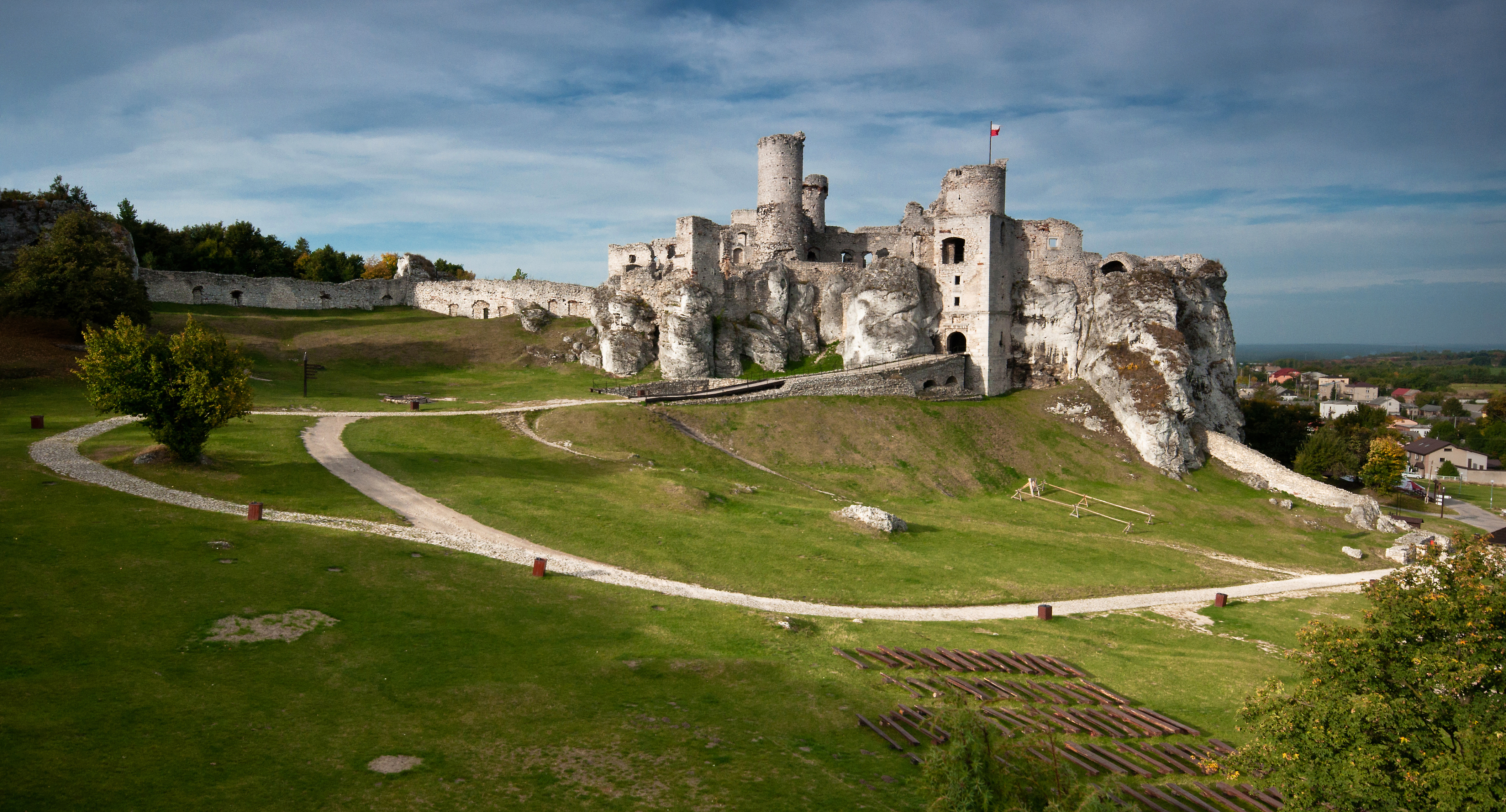
Ogrodzieniec Castle is a ruin in Podzamcze, first fortified during the reign of Bolesław III Wrymouth. The early defenses were probably destroyed in the Mongol invasion of 1241. King Casimir III the Great later built a stone castle on the site, replacing the wooden stronghold, and leased it to Przedbór of Brzezie. Przedbór spent heavily strengthening its defenses. In 1387, the castle passed to Włodek of Charbinowice and remained with his family for nearly a century.
Over the following decades, ownership changed repeatedly. In 1437, Mikołaj of Charbinowice transferred the castle to two sons of Bartosz of Ogrodzieniec; in 1470, the Salomonowicz brothers bought it. Later transfers followed, including a debt settlement in 1492, before Mikołaj Pilecki inherited the castle in 1496.
After Mikołaj Pilecki pledged the estate because of his debts, it passed through Mikołaj Chełmski to Seweryn Boner in 1527. From 1530 to 1545, Boner added a wing and transformed the medieval Gothic stronghold into a Renaissance castle. Rocks protected it on three sides, while a narrow cleft provided the entrance and a stone wall enclosed the perimeter.
Jan Firlej received the castle through his marriage to Zofia Boner in 1562. Forces of Archduke Maximilian captured it in 1587. Swedish forces partly burned the castle in 1655 and occupied it for nearly two years. Stanisław Warszycki became its owner in 1669 and partly rebuilt it.
The Męciński family acquired the castle around 1695, but a fire caused by Swedish forces in 1702 burned half of it. Substantial rebuilding did not follow. Tomasz Sariusz Jakliński bought it around 1784, and neglect deepened its ruin. The last residents left around 1810; owner Ludwik Kozłowski later damaged the walls for building material and sold the furnishings.
The Wołczyński family were the final private owners before nationalization after 1944. Conservation began in 1949 and concluded in 1973, preserving the castle as a permanent ruin. Fragments of Renaissance frescoes depicting lilies remain on the lowest floor of Kurza Stopa.
In the 1880s, writer Adolf Dygasiński was fascinated by the ruins and probably first called them an eagle’s nest. The phrase helped inspire the name of the Kraków-Częstochowa Upland’s principal ridge, the Land of the Eagles’ Nests. After Aleksander Janowski visited, the Polish Sightseeing Society was founded in 1906, with the castle outline on its badge.
The castle later served as a filming location. Iron Maiden recorded a film insert there in 1984 for Live After Death, including its Behind The Iron Curtain section and the song “Hallowed Be Thy Name.” Andrzej Wajda’s Zemsta was filmed there in 2001, and sections of its set remained after filming. The 2019 Netflix series The Witcher filmed Battle of Sodden scenes on the grounds.
Listen to this audio guide in the app
The website shows the text and photos. The audio guide, map and nearby places are in the free Hotspot app.
Download free on Google Play