
Şeyh Süleyman Mosque
Istanbul, Turkiye
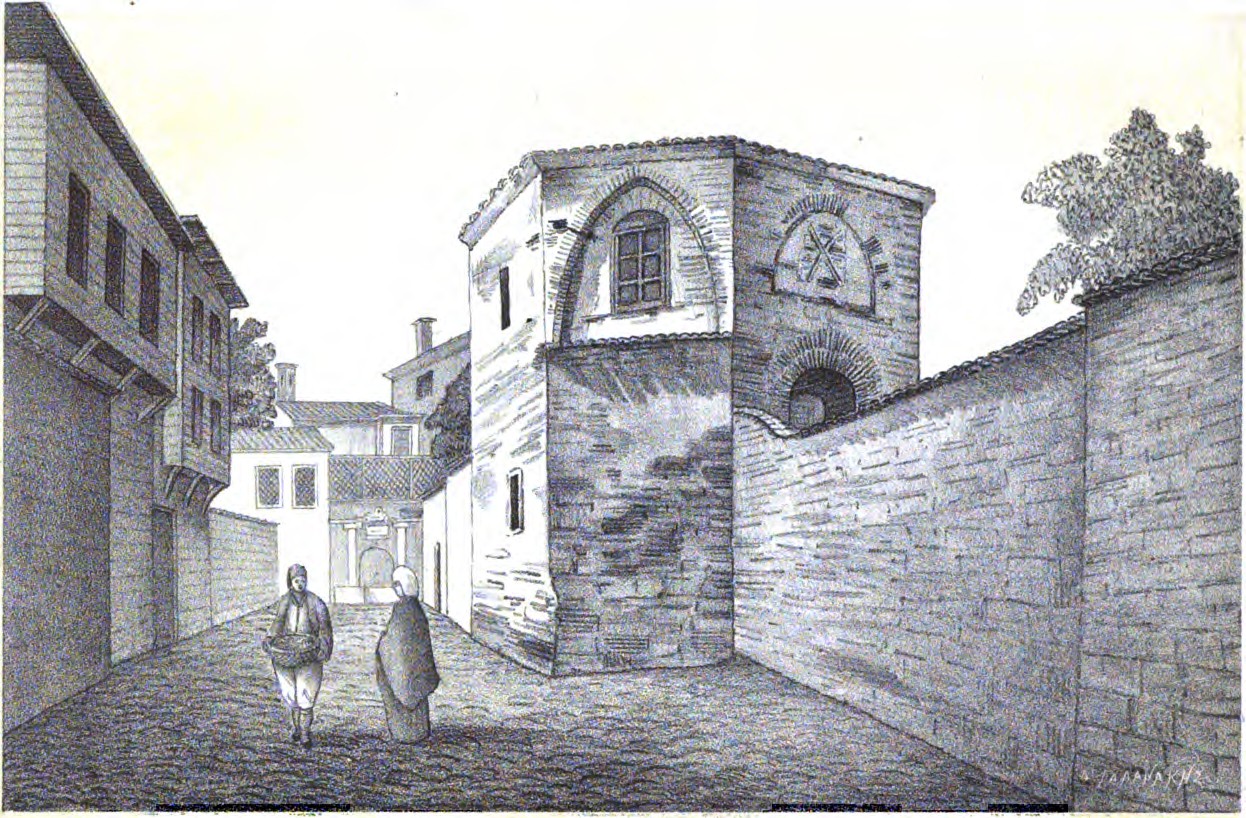
Şeyh Süleyman Mosque is a mosque converted from a Byzantine building once associated with the Monastery of Christ Pantokrator. Empress Irene Komnene had the monastery erected between 1118 and 1124, and the small building was almost certainly part of it. Nothing is known about the building’s history before 1453, and its earlier function remains uncertain. Some scholars suggest it served as a burial place, while others propose it was the monastery library. Shortly after Constantinople fell in 1453, Şeyh Süleyman Halîfe converted the building into a mosque under Mehmed II. The document establishing its religious endowment is missing.
A great fire struck in 1756. During Sultan Mustafa III’s reign, Kazgan Asan Aĝa restored the building and assigned it to a nearby medrese. Its square plan supports a low octagonal dome on pendentives, with four niches in the interior corners. Ashlar forms the lower masonry, while bricks make up the upper part. Beneath the building, a domed burial crypt contains eight niches. A Byzantine cistern remains close by.
The mosque’s Byzantine-era purpose is still unknown, while its association with the Pantokrator Monastery connects it to the site’s earlier history. Its structure is a minor example of middle-period Byzantine architecture in Constantinople.
Listen to this audio guide in the app
The website shows the text and photos. The audio guide, map and nearby places are in the free Hotspot app.
Download free on Google Play