
Jardin des plantes
Paris, France
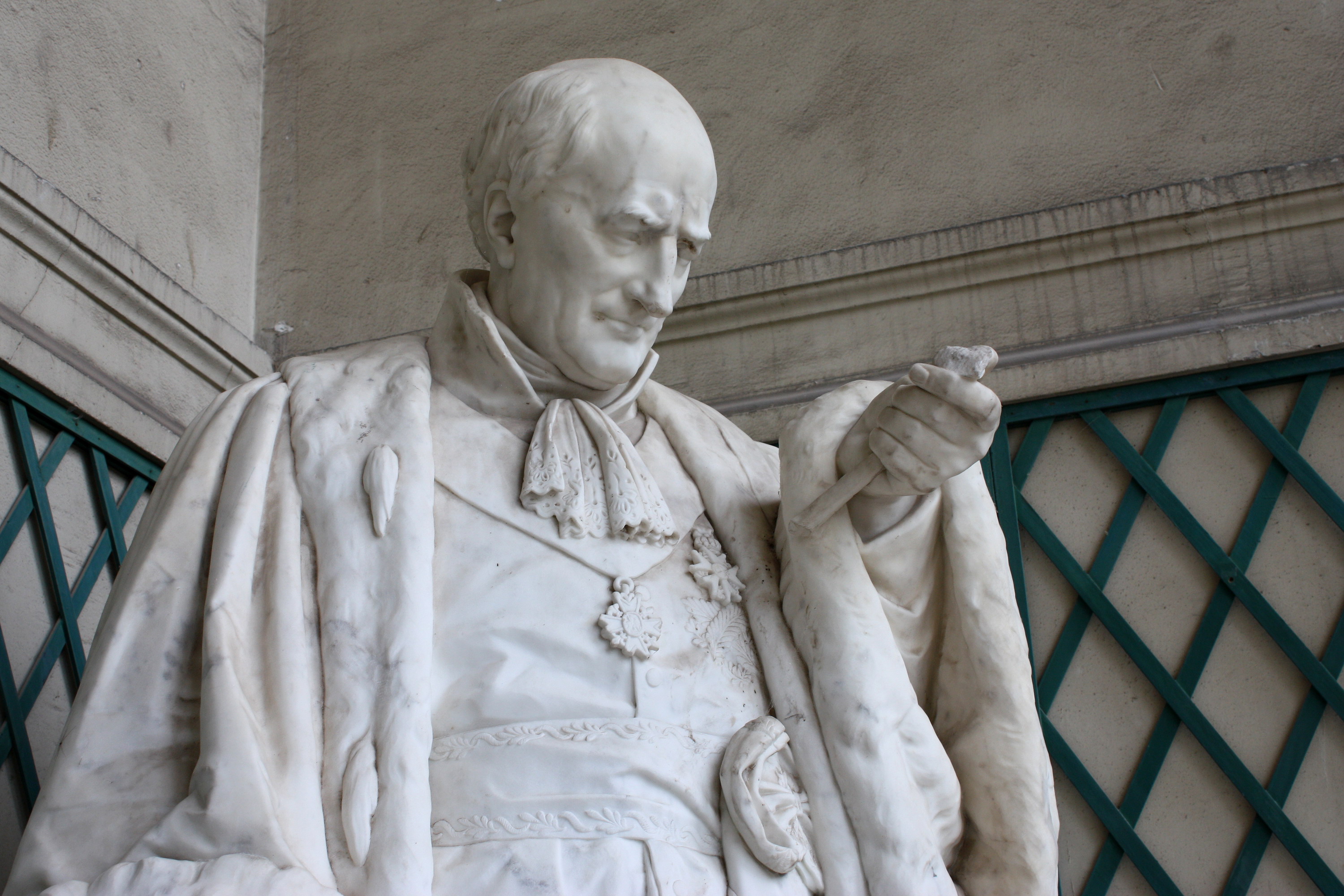
The Jardin des plantes is a botanical garden and research campus in Paris, where botanical lessons were taught in the 1540s. Nicolas Houël, a royal apothecary, taught botany and herbalism on land then known as terre d’Alez. Jean Robin was also associated with the garden’s beginnings under Henry the Fourth. In January 1626, a royal edict established the Royal Garden of Medicinal Plants, following a proposal by Guy de La Brosse.
The first land was purchased in 1633, with further purchases in 1636 bringing the property to 18 arpents. The garden opened to the public in 1634, before La Brosse formally inaugurated it in 1640. Georges-Louis Leclerc, known as Buffon, became superintendent in 1739 and held the post until his death in 1788. He enlarged the garden, sometimes paying from his own funds, and developed it as a scientific research center.
In 1789, Marseille captain Pierre Blancard brought chrysanthemum cuttings from China to France for the first time. After the Revolution, the garden took its present name, and a June 1793 decree established the National Museum of Natural History. That same year, Bernardin de Saint-Pierre initiated the Ménagerie. It brought together animals transferred from Versailles’s royal menagerie and from abandoned private and traveling menageries.
The Ménagerie later received the first giraffe shown in France, in 1827. During the Prussian siege of Paris, from 1870 to 1871, most of its animals were eaten by the besieged population. The Museum’s galleries and greenhouses took shape over the following century. Georges Cuvier opened the comparative anatomy galleries in 1806, and the large greenhouses were inaugurated in 1836.
The Gallery of Mineralogy and Geology followed in 1837. The Gallery of Zoology opened in 1889, and the Gallery of Paleontology and Comparative Anatomy opened in 1898. The large aviary was built in 1888 for the 1889 Exposition Universelle and remains in use. In 1932, the garden created an ecological garden to reconstruct natural environments of Île-de-France.
René Berger designed the tropical rainforest greenhouse in Art Deco style, and it was inaugurated in 1937. The Gallery of Botany opened in 1935, while the ecological garden later closed to the public in 1960. The garden’s grounds expanded across the Bièvre and around Clos Patouillet, which Buffon purchased on both sides of the river. The Bièvre was covered in the mid-nineteenth century, and a field hospital occupied Clos Patouillet during the 1870 war.
After that war, the Third Republic restored the Museum’s use of the grounds. Clos Patouillet now contains laboratories, collections, and libraries, serving research, study, and preservation. The garden’s layout brings together a French-style formal perspective in the south and an English-style landscaped sector in the north. The southern perspective runs from the Great Gallery of Evolution to Place Valhubert, bordered by two rows of pruned plane trees.
In the north, the Grand Labyrinth occupies the former Coypeau mound, a medieval dump covered with earth. Buffon’s belvedere, the circular Gloriette de Buffon, stands at its summit; the iron-and-bronze structure dates from the end of the eighteenth century. The garden also includes the Petit Labyrinthe, an alpine garden, a rose garden, specialized botanical collections, and scientific galleries. The School of Botany displays 2,500 varieties of shrubs and herbaceous plants arranged by botanical classification.
The alpine garden presents mountain plants from around the world, while the rose garden displays cultivated varieties. Four public greenhouses show tropical rainforest plants, species from arid environments, New Caledonian flora, and fossil plants alongside living examples. The eastern greenhouse, once known as the Mexican or cactus greenhouse, now presents New Caledonian flora. The western greenhouse, formerly called the Australian greenhouse, has displayed fossil plants alongside living plants since 2010.
The five greenhouses underwent five years of renovation work from 2005 to 2010. Workers dismantled 1,300 square metres of glass, and the greenhouses reopened in June 2010. The former Gallery of Zoology became the Great Gallery of Evolution in 1994. All the garden’s buildings were classified as historic monuments on 24 March 1993.
The Jardin des plantes serves as the principal site and research campus of the National Museum of Natural History. Its gardens, menagerie, exhibition galleries, and research buildings bring botanical and zoological collections together on the same grounds. The garden appears in works by French writers including Victor Hugo, Honoré de Balzac, and Jules Verne. Rainer Maria Rilke wrote “The Panther” about the Ménagerie’s felines, while Henri Rousseau’s painting The Snake Charmer was inspired by the Museum’s greenhouses.
Music and film have also drawn on the garden and the Ménagerie. Camille Saint-Saëns’s The Carnival of the Animals is among the works associated with the site, as are films by Claude Chabrol and Chris Marker. In 2024, the Jardin des plantes became part of the UNESCO World Heritage property Paris, Banks of the Seine.
Listen to this audio guide in the app
The website shows the text and photos. The audio guide, map and nearby places are in the free Hotspot app.
Download free on Google Play